Dark Oxygen in the Deep Ocean Could Rewrite Life Origins
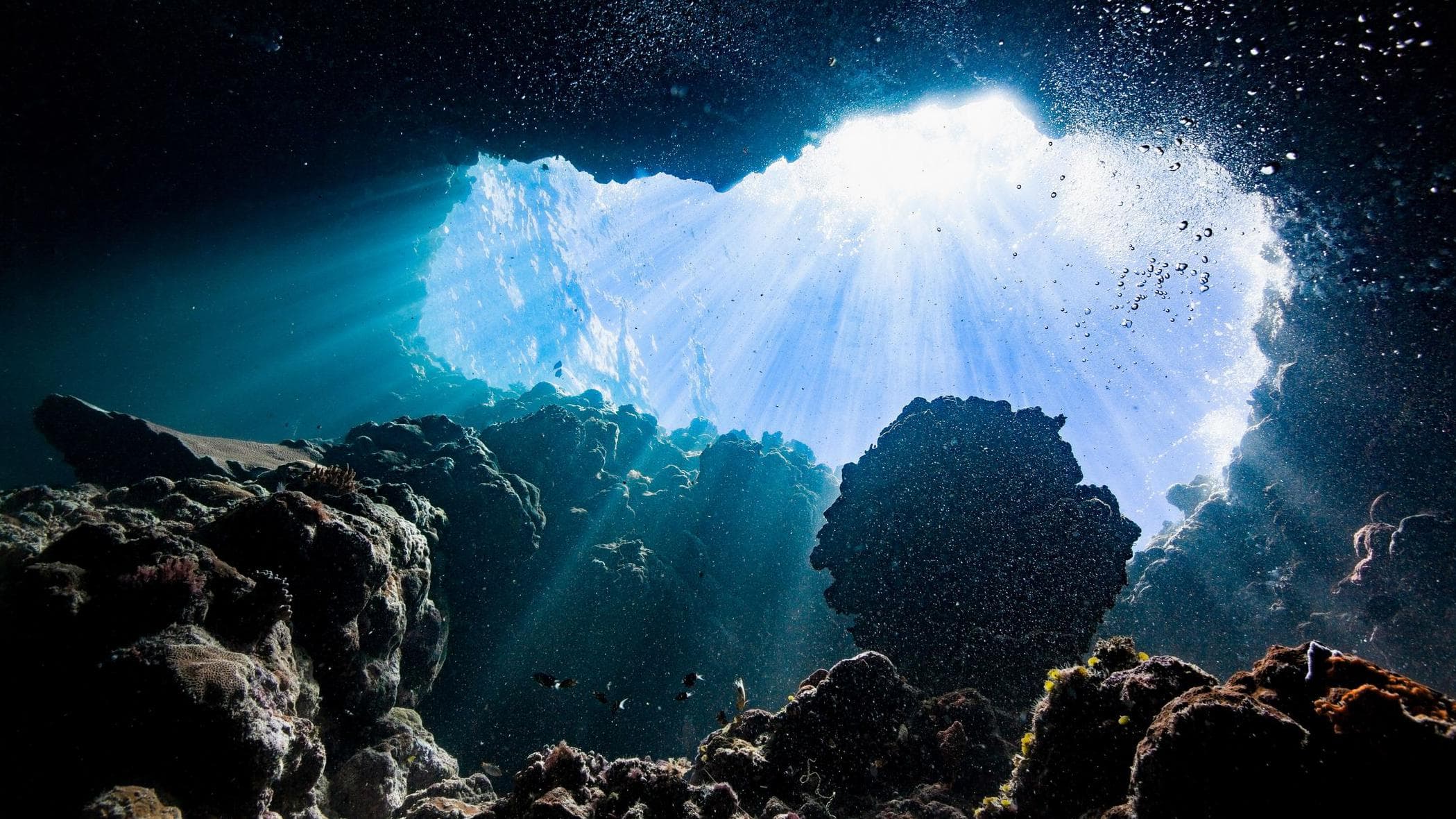
Dark oxygen is one of the most surprising discoveries in modern ocean science because it suggests that oxygen may be created in the deep sea without sunlight. For decades, oxygen production was understood mainly as a process tied to photosynthesis, which depends on light. The dark oxygen finding challenges that idea by pointing to the deep Pacific Ocean, where polymetallic nodules on the seafloor may generate oxygen through natural electrochemical processes. That possibility has made the topic one of the most debated scientific stories of 2025.
The discovery became especially important because it comes from a part of the ocean that lies around 4,000 meters below the surface. At that depth, sunlight cannot reach, and life is forced to adapt to extreme pressure, cold temperatures, and limited energy sources. The idea that oxygen could still appear in such an environment has raised major questions about how life began on Earth. If oxygen can exist or be produced without sunlight in the deep ocean, then the early conditions for life may have been more complex than scientists once thought.
The core of the dark oxygen theory is tied to polymetallic nodules, which are potato-like mineral rocks found on the ocean floor. These nodules contain metals such as manganese, nickel, cobalt, and iron, and researchers have suggested that they may act like natural electrochemical cells. In this view, the nodules may split seawater molecules and release oxygen in the process. This has led to the idea that the deep ocean is not just a quiet, dormant place, but a chemically active environment capable of producing unexpected life-supporting reactions.
What makes the discovery so controversial is that it touches one of the biggest questions in science: how life first began. For a long time, the origin of life has been linked to energy sources such as sunlight, volcanic heat, or chemical reactions near hydrothermal vents. Dark oxygen introduces another possibility, where natural minerals on the seafloor may help create oxygen in complete darkness. That possibility has caused excitement because it opens a new chapter in origin-of-life research, but it has also led to serious debate inside the scientific community.
Scientists studying dark oxygen have pointed out that the finding is unusual because oxygen production in such a deep and dark environment does not fit the standard model of marine chemistry. That is why the July 2024 Nature Geoscience paper became so widely discussed. The work brought attention to oxygen measurements taken near the seafloor and triggered fresh interest in whether polymetallic nodules could be acting as tiny natural batteries. The term “electric potato-like rocks” spread online because it gave people an easy way to imagine the nodules’ possible function.
The debate intensified further in 2025 when major science outlets revisited the topic, including Scientific American. Some researchers saw the discovery as groundbreaking, while others urged caution and called for more verification. That split is part of what makes dark oxygen such a strong search topic. It is not simply a scientific fact that everyone agrees on. It is a developing idea that sits between discovery, skepticism, and deeper investigation. Readers searching the topic want to understand not only what dark oxygen is, but also why it matters and why scientists disagree about it.
The deep ocean has always been one of Earth’s least understood environments. It covers a huge part of the planet, yet most of it remains difficult to study directly. That makes findings like dark oxygen especially powerful because they remind us how much of the planet still holds hidden processes. The ocean floor is not a dead zone. It may contain active chemical systems that influence oxygen levels, mineral cycles, and maybe even the earliest conditions under which life emerged. Dark oxygen adds a new layer to that understanding.
The location of the discovery also matters. The Pacific Ocean contains vast fields of polymetallic nodules, especially in areas targeted for deep-sea mining interest. That has made the discovery important not only for science but also for environmental debate. If nodules can contribute to oxygen production or support unusual deep-sea chemistry, then disturbing those environments could have consequences not yet fully understood. For that reason, dark oxygen has become part of a larger conversation about the future of ocean exploration and resource extraction.
At a broader level, the concept of dark oxygen is powerful because it challenges the assumption that sunlight is always the starting point for life-supporting oxygen. That does not mean photosynthesis is unimportant. It remains the dominant process for oxygen production on Earth. But dark oxygen suggests that nature may have more than one path to oxygen creation, especially in extreme environments. That possibility has made the story popular in science media and among readers who are curious about life in places where light never reaches.
The phrase “life doesn’t need sunlight” captured public imagination because it sounds almost impossible, yet it reflects the scientific curiosity behind the discovery. If oxygen can be produced at the bottom of the ocean, then ecosystems in darkness may be shaped by chemistry in ways we are only beginning to understand. That idea also connects to astrobiology, because scientists often compare Earth’s deep oceans with possible environments on other planets or moons. If oxygen-related processes can happen in darkness here, they may also be relevant to life beyond Earth.
Dark oxygen is not just a headline. It is part of a much larger scientific effort to understand how chemical energy, minerals, water, and deep-sea pressure interact. The discovery may eventually be refined, challenged, or expanded by more research, but it has already done something important: it has changed the way many people think about oxygen and the deep ocean. Instead of being a passive, lifeless zone, the seafloor may be a place where unexpected reactions shape the chemistry of the planet.
For search performance, dark oxygen is a strong topic because it combines mystery, science, and big-picture questions about life itself. It appeals to readers who want to know what happened, how it works, and why scientists are talking about it. The phrase also connects naturally with related terms such as ocean nodules, polymetallic nodules, oxygen without sunlight, origin of life, deep ocean discovery, and Nature Geoscience study. That makes it valuable for SEO while still being grounded in a real scientific debate.
FAQs
-
What is dark oxygen? Dark oxygen is the idea that oxygen may be produced in the deep ocean without sunlight, possibly through reactions involving polymetallic nodules.
-
Why is dark oxygen important? It is important because it challenges long-held ideas about how oxygen is made and how life may have begun on Earth.
-
Where was dark oxygen discovered? It was discussed in the deep Pacific Ocean, around 4,000 meters below the surface.
-
What are polymetallic nodules? Polymetallic nodules are mineral-rich rocks on the seafloor that contain metals like manganese, nickel, cobalt, and iron.
-
How could nodules produce oxygen? Researchers suggest they may act like natural electrochemical cells and help split seawater molecules.
-
Why did scientists debate the discovery? The finding is unusual and still needs more verification, so some scientists see it as groundbreaking while others remain cautious.
-
Does dark oxygen mean sunlight is not needed for life? Not in general. Photosynthesis still produces most oxygen on Earth, but dark oxygen suggests some oxygen-related processes may happen without sunlight in special environments.
Related Topics
About admin
SEO expert and content strategist helping businesses grow their online presence through data-driven strategies.
