Great Barrier Reef Coral Mortality in Catastrophic Bleaching
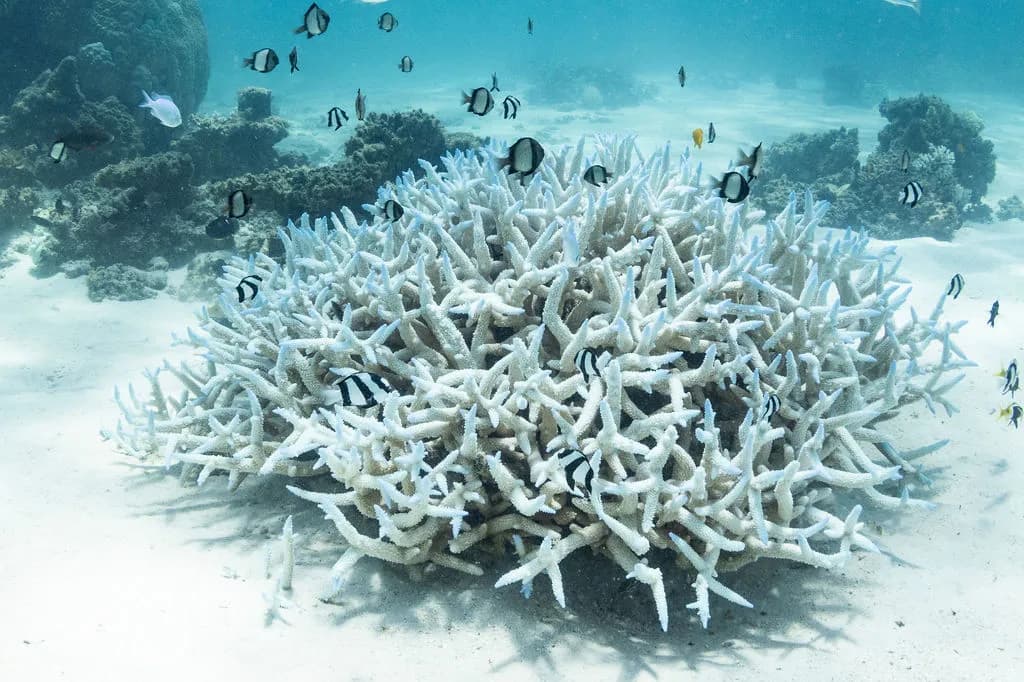
The Great Barrier Reef has faced one of the most severe bleaching events ever recorded, with reports showing catastrophic coral mortality across large areas of the reef. By 2024, extensive heat stress had triggered widespread bleaching, and by early 2025 peer-reviewed analysis drew even more attention to the scale of the damage. The reef, which is one of the most iconic marine ecosystems on Earth, experienced a marine heatwave so intense that major coral colonies were left severely weakened or dead. 🌊
Coral bleaching happens when corals are exposed to unusually warm water for too long. Under heat stress, corals expel the symbiotic algae that live inside their tissues and give them much of their color and energy. Without these algae, corals turn white, lose strength, and become far more likely to die if the heat stress continues. In the Great Barrier Reef, this process spread across huge sections of the ecosystem, turning what should have been a vibrant underwater landscape into a sign of climate stress.
The scale of the 2024 bleaching event was especially alarming because it affected a very large share of the reef. Reports showed that by April 2024 about 80% of the reef had been bleached, and by February 2024 around 66% of the corals had already shown signs of bleaching. These numbers mattered because they showed that the event was not isolated to one small region. It was widespread, repeated, and severe. The reef was experiencing conditions that left little room for recovery in some of its most vulnerable coral communities. 🔥
One of the hardest-hit groups was the Acropora genus, which includes fast-growing and ecologically important corals. These corals are often among the most sensitive to heat stress, and the damage recorded in 2024 was devastating. By July, analysis showed that around 44% of bleached colonies had died, and in some areas mortality was even more extreme. In the worst-hit zones, the loss of coral cover changed the structure of the reef itself. That kind of damage affects not only the corals but also the fish, invertebrates, and other organisms that depend on them.
The reason this event drew so much attention is that it was not just another bleaching episode. It was described as unprecedented in intensity and timing, tied to a marine heatwave that pushed water temperatures beyond what many reef sections could tolerate. Scientists studying the reef emphasized that repeated heat stress events are becoming more common and that the reef had been hit before it had enough time to fully recover from earlier bleaching episodes. That pattern is what makes catastrophic coral mortality especially dangerous. Once recovery windows shrink, each new heatwave can cause more permanent loss.
The Great Barrier Reef is often discussed as a symbol of climate change because it shows how quickly warming oceans can transform a natural ecosystem. Coral reefs depend on stable temperature ranges, and even small increases can trigger bleaching if the heat lasts too long. In 2024, the combination of persistent warmth, widespread exposure, and ecological fragility pushed many reef areas into a crisis. That made the event one of the most important environmental stories of the year and a major topic for search interest related to reef mortality, coral bleaching, and climate-driven marine loss.
The peer-reviewed study from the University of Sydney published in early 2025 added scientific weight to what field observers had already reported. It confirmed that the bleaching and mortality were not temporary visual changes but part of a serious ecosystem collapse in affected regions. Peer-reviewed evidence is important in environmental science because it turns observations into documented research. In this case, it helped move the discussion from concern to confirmation. The reef was not simply stressed; it had suffered severe biological damage.
The damage also mattered because coral reefs are among the most biodiverse systems in the ocean. They support fisheries, protect coastlines, and provide habitat for countless marine species. When a reef experiences mass coral death, the effects spread far beyond the corals themselves. Fish populations can shift, shelter disappears, and the physical structure of the reef begins to weaken. Over time, that can change how the entire ecosystem functions. In the Great Barrier Reef, the scale of the 2024 event raised fears about long-term ecological stability.
The phrase “catastrophic bleaching” reflects more than visual whiteness. It points to a biological threshold where the reef is pushed beyond resilience. Reefs can sometimes recover from bleaching if the water cools quickly enough and if the corals remain alive long enough to rebuild their symbiotic relationships. But when heat stress is severe and prolonged, recovery becomes much harder. The Great Barrier Reef event showed what happens when those limits are exceeded across a wide area at once. The result is not just stress but actual mortality. 💀
Another reason the Great Barrier Reef story matters so much is that it is part of a larger global pattern. Coral bleaching is no longer a rare event. It is increasingly tied to marine heatwaves and a warming climate. Scientists have warned for years that repeated warming episodes can reduce reef resilience and accelerate decline. The Great Barrier Reef, because of its size and fame, makes that warning visible to the world. It serves as one of the clearest examples of how climate change can cause immediate ecological harm, not just long-term environmental shifts.
The search demand around this topic is strong because people want clear answers about how bad the bleaching was, why it happened, and whether the reef is dying. Phrases like “Great Barrier Reef coral mortality,” “95% coral dead,” “coral bleaching 2024,” and “marine heatwave Great Barrier Reef” reflect that interest. Readers are also drawn to the human and scientific urgency of the story. It is a topic where the headline is dramatic, but the underlying science is even more important. The reef’s condition is not just a local issue. It is a global warning sign.
From an SEO perspective, this topic works well because it combines high-interest climate science, recent peer-reviewed research, and widely searched reef-related terms. It also offers strong long-tail keyword potential through phrases about coral mortality, Acropora damage, bleaching percentages, and Great Barrier Reef recovery. A page written on this topic should stay focused on the event itself, the known scientific findings, and the ecological consequences. That makes it both useful to readers and highly relevant for search.
FAQs
-
What happened to the Great Barrier Reef in 2024? The reef experienced catastrophic bleaching linked to extreme marine heat, causing widespread coral stress and mortality.
-
How much of the reef was bleached? Reports showed that about 80% of the reef had been bleached by April 2024, with major bleaching already visible earlier in the year.
-
How many corals died? By July, analysis showed that about 44% of bleached colonies had died in affected areas.
-
Which corals were hit hardest? The Acropora genus was among the hardest hit, with some areas showing extremely high mortality.
-
Why does coral bleaching happen? Bleaching happens when corals are exposed to prolonged heat and expel the algae that provide them color and energy.
-
Why is the Great Barrier Reef so important? It is one of the world’s largest and most famous reef systems, supporting huge biodiversity and coastal ecosystems.
-
What does the 2025 study mean? The University of Sydney peer-reviewed study confirmed the scale and seriousness of the bleaching and mortality event.
Related Topics
About admin
SEO expert and content strategist helping businesses grow their online presence through data-driven strategies.