China’s 10G Internet: Why It Leaves 5G Behind?
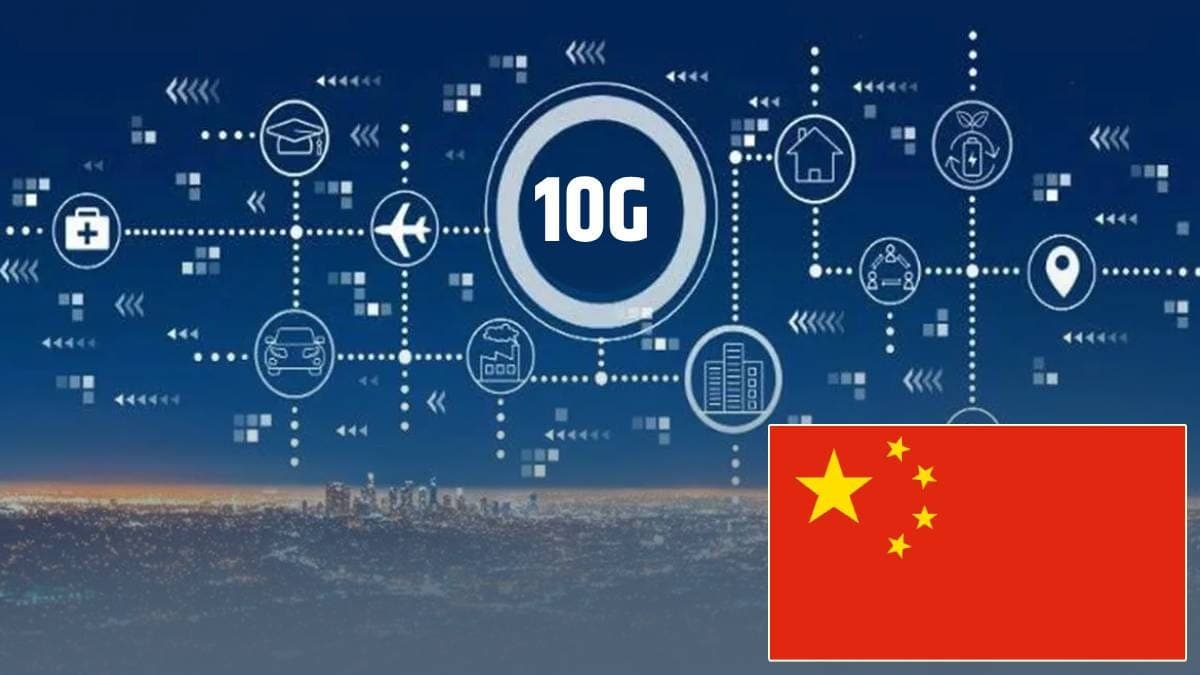
China’s 10G internet has become one of the most talked-about broadband upgrades in the world because it delivers speeds that make 5G look slow in comparison. The launch took place in Hebei Province, where Huawei and China Unicom introduced a commercial 10G broadband network based on 50G-PON technology. This development is widely discussed because it marks a major jump in fixed-line internet performance, especially for homes, businesses, and data-heavy applications.
The term 10G in China refers to 10 gigabits per second, not the tenth generation of mobile internet. That distinction is important because 5G is a mobile wireless network, while China’s 10G rollout is a fiber broadband upgrade. In other words, the two technologies serve different purposes, but the speed comparison still shows how far fixed broadband can go when powered by advanced optical infrastructure.
According to reports, the Chinese 10G network can reach download speeds of up to 9,834 Mbps and upload speeds of around 1,008 Mbps, with latency as low as 3 milliseconds. Those numbers are far beyond typical home internet connections and even exceed many premium broadband plans in other countries. The result is a connection capable of handling ultra-fast downloads, real-time cloud access, 8K streaming, and large-scale data transfers with very little delay.
The technology behind the network is 50G-PON, or 50 Gigabit Passive Optical Network. This is a next-generation fiber architecture designed to carry much more data over existing optical infrastructure. Compared with older broadband systems, 50G-PON greatly increases capacity and reduces bottlenecks, making it suitable for future digital services that need massive bandwidth. It is one of the key reasons China’s 10G internet has attracted global attention.
One reason the China 10G internet story went viral is that the speed difference is easy to understand in real-world terms. A connection near 10 Gbps can download a very large file in seconds rather than minutes, which changes how users experience cloud storage, media streaming, software updates, and remote work. This makes the network especially relevant for households with many connected devices and for organizations that depend on constant high-speed access.
China’s 10G network also highlights the country’s broader strategy of expanding digital infrastructure. The rollout is not just about raw speed; it is part of a larger effort to modernize connectivity, support smart services, and improve national network capacity. As more homes, offices, and public systems rely on data-intensive tools, ultra-fast broadband becomes a foundation for future digital growth.
The comparison between 10G and 5G is often misunderstood, but the performance gap is still striking. 5G is designed for mobile connectivity, low latency, and widespread wireless access, while 10G broadband is designed for fixed ultra-high-speed internet over fiber. That means 5G is not being “replaced” by 10G; instead, China’s 10G network shows what the next level of home and business broadband can look like. Both technologies can coexist because they solve different connectivity problems.
Latency is another area where China’s 10G network stands out. With latency as low as 3 milliseconds, the system supports near-instant interaction for online services that need quick responsiveness. Low latency matters for video conferencing, cloud gaming, remote collaboration, and industrial applications that depend on fast data exchange. In high-speed fiber networks, latency becomes just as important as bandwidth because it affects how smooth and immediate digital experiences feel.
The launch of China’s 10G internet also reflects the role of Huawei and China Unicom in next-generation broadband deployment. Their collaboration has made the network one of the first commercial 10G broadband systems in the world. That has turned the project into a global benchmark for fiber innovation and a reference point in discussions about future internet infrastructure.
From a practical perspective, the most visible benefit of 10G internet is how it handles heavy digital workloads. Large file transfers, multiple simultaneous 4K or 8K streams, smart home devices, cloud backups, and advanced online collaboration all become smoother when bandwidth is this high. The network is also suited to future services that have not yet become mainstream, which is one reason it is viewed as forward-looking infrastructure rather than just a speed test headline.
China’s 10G broadband is also important because it pushes the conversation beyond mobile speed alone. Many people compare internet progress only through the lens of 5G, but fixed broadband innovation can be just as important, especially for homes and workplaces that need reliable high-capacity access. By focusing on 10G fiber, China is showing that the next major connectivity leap may happen in wired networks as much as wireless ones.
The global impact of this development is significant because it raises expectations for future broadband standards. Countries and telecom companies watching China’s rollout can use it as an example of what advanced fiber deployment can achieve. The launch also adds momentum to the idea that ultra-fast internet is moving from laboratory testing into commercial reality. As a result, search interest in China 10G internet, 10G broadband, and 10G vs 5G has grown rapidly.
In simple terms, China’s 10G internet makes 5G look slow because it delivers far greater bandwidth, very low latency, and stronger support for data-heavy use cases. The comparison is not one of direct replacement, but of scale: 5G is a powerful mobile standard, while 10G broadband is a major leap in fixed-line network performance. That is why the phrase “China’s 10G internet makes 5G look slow” has become such a strong headline in tech news and search trends.
FAQs
-
What is China’s 10G internet? China’s 10G internet is a commercial fiber broadband network delivering around 10 Gbps speeds, not a 10th-generation mobile network.
-
Is 10G the same as 5G? No, 10G in China means 10 gigabits per second, while 5G means fifth-generation mobile network technology.
-
How fast is China’s 10G internet? Reports say it reaches about 9,834 Mbps download speed, 1,008 Mbps upload speed, and 3 ms latency.
-
Does China’s 10G internet replace 5G? No, it is a fixed broadband system and does not replace 5G mobile networks.
-
What technology powers China’s 10G network? The network uses 50G-PON fiber technology to deliver ultra-high-speed broadband.
-
Why is China’s 10G internet important? It shows how advanced fiber infrastructure can support massive bandwidth, low latency, and future digital services.
Related Topics
About admin
SEO expert and content strategist helping businesses grow their online presence through data-driven strategies.
6G vs 5G network: What Makes 6G 10x Better?
6G is coming with faster speed, lower latency, AI-native networks, and new use cases that go far beyond 5G.

Starlink 2026 vs Fiber: Goodbye Fiber?
Starlink 2026 vs fiber: speed, latency, reliability, and whether satellite internet can really replace fiber.