6G vs 5G network: What Makes 6G 10x Better?
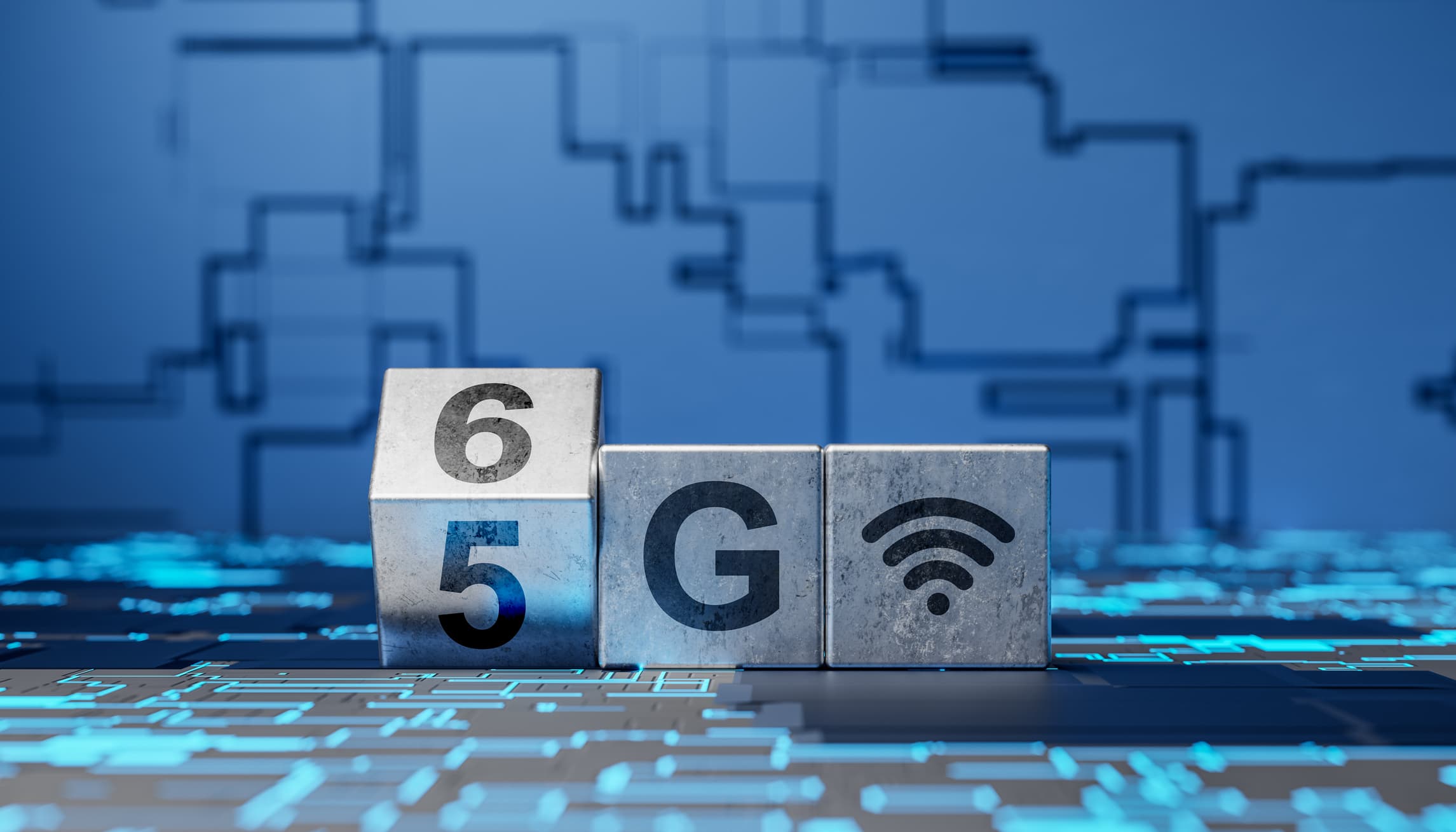
6G is the next generation of wireless communication and is being developed as a major leap beyond 5G in speed, latency, intelligence, and network capability. While 5G already supports faster mobile broadband, massive device connectivity, and low-latency applications, 6G is expected to raise performance far beyond current limits by using new spectrum ranges, advanced network design, and AI-native operation. In many discussions, 6G is described as being dramatically better than 5G because it is not just an upgrade in data speed, but a broader shift in how networks sense, compute, and respond in real time.
5G operates mainly in sub-6 GHz and millimeter-wave bands and can support very high speeds compared to older generations, but 6G is expected to extend into upper mid-band and sub-terahertz spectrum to unlock much higher throughput and capacity. Reports and technical discussions suggest 5G data rates around 100 Mbps to 10 Gbps in many real-world cases, while 6G is expected to reach 100 Gbps to 1 Tbps in future deployments. That difference is why 6G is often described as “10x better” or even more, depending on the use case and network conditions.
Latency is another major area where 6G is expected to outperform 5G. 5G can achieve very low latency for selected applications, making it suitable for real-time control, gaming, industrial automation, and connected vehicles. 6G is expected to push latency even lower, with some estimates suggesting microsecond-level response times for future applications that require near-instant communication. This improvement matters because latency determines how quickly a network reacts to user actions, machine commands, and sensor data.
The 6G vs 5G comparison also shows a major jump in capacity and device intelligence. 5G was designed to connect more devices than 4G and support the Internet of Things at scale, but 6G is expected to go further by supporting massive connectivity with stronger reliability and smarter network orchestration. This makes 6G more suitable for dense smart cities, industrial automation systems, immersive entertainment, and large-scale machine communication.
One of the biggest differences between 6G and 5G is the role of artificial intelligence. 5G networks already use automation and optimization tools, but 6G is expected to be AI-native, meaning AI will be integrated into the network’s design, operation, and management from the start. That could allow 6G networks to self-optimize, self-heal, and better allocate spectrum, energy, and traffic in real time. In practical terms, this may improve performance, efficiency, and user experience across many kinds of connected services.
6G is also expected to support new experiences that are difficult or impossible on today’s 5G networks. These include hologram telepresence, collaborative robots, digital twins, human augmentation, and more advanced extended reality applications. Such use cases require not only high speed but also extremely low delay, high reliability, and massive data handling capability. That is why 6G is often viewed as a foundational platform for future digital transformation rather than just a faster mobile network.
When comparing 6G vs 5G, energy efficiency is another important factor. 5G brought better efficiency than older networks in many scenarios, but 6G is expected to go further by using intelligent spectrum management, better network coordination, and more advanced infrastructure planning. The goal is not only to increase speed but also to make high-performance connectivity more efficient and sustainable at scale. This matters because future networks will need to support far more connected devices and data-intensive services without excessive power use.
Security and reliability are also expected to improve in 6G. 5G already introduced major security advances over earlier generations, but 6G is being designed with even stronger trust, automation, and resilience in mind. As networks become more software-driven and more deeply connected to industries, transport, healthcare, and public systems, reliability becomes just as important as raw speed. The next generation is therefore being built to support mission-critical communication on a broader scale.
A major reason 6G is considered 10x better than 5G is the combination of improvements rather than one single metric. Higher peak data rates, lower latency, broader spectrum use, AI-native control, greater reliability, and new immersive use cases all add up to a much more advanced communication environment. In some technical comparisons, 6G is described as offering around 100 times faster speed than 5G in ideal future conditions, though actual real-world results will depend on deployment and standards. That is why the phrase “6G vs 5G” is being searched widely by readers who want to understand how much change the next standard could bring.
The rollout timeline also matters in the 6G vs 5G conversation. 5G is already commercially deployed in many countries, while 6G standardization is still in progress and is expected to mature around 2029 or 2030. This means 5G will continue to dominate current networks for years, but 6G is already shaping the future of telecom, industry, and digital infrastructure. The transition will likely be gradual, with 6G building on the foundation laid by 5G rather than replacing it overnight.
For users, the biggest visible difference may be in how seamless digital experiences become. On 5G, users already enjoy faster downloads, smoother streaming, and better connectivity in crowded areas. On 6G, future applications may feel far more immediate and immersive because the network will be designed to support real-time sensing, intelligent automation, and richer digital interaction. This is why 6G is often positioned as the network that could connect the physical, digital, and virtual worlds more tightly than ever before.
FAQs
-
What is the main difference between 6G and 5G? The main difference is that 6G is expected to deliver much faster speeds, lower latency, stronger AI integration, and more advanced immersive use cases than 5G.
-
How much faster is 6G than 5G? Early estimates suggest 6G could reach 100 Gbps to 1 Tbps, which is far beyond typical 5G performance and may be around 10x to 100x faster depending on the scenario.
-
Will 6G replace 5G? 6G will not replace 5G immediately; it will likely arrive gradually and build on 5G infrastructure over time.
-
When will 6G be available? Current industry expectations place the first commercial 6G standards around 2029 or 2030.
-
What technologies will 6G support? 6G is expected to support hologram telepresence, digital twins, collaborative robots, human augmentation, and advanced XR experiences.
-
Is 6G more secure than 5G? 6G is being designed with stronger security, reliability, and AI-driven network management than previous generations.
Related Topics
About admin
SEO expert and content strategist helping businesses grow their online presence through data-driven strategies.
China’s 10G Internet: Why It Leaves 5G Behind?
China’s 10G internet delivers ultra-fast fiber speeds that make 5G look slow in comparison.

Starlink 2026 vs Fiber: Goodbye Fiber?
Starlink 2026 vs fiber: speed, latency, reliability, and whether satellite internet can really replace fiber.

World War 1 vs World War 2: Which Was Worse?
World War II was worse overall than World War I because of higher casualties, greater civilian suffering, and wider global destruction.

Bhopal Algae Tree: India’s 1st Air-Purifying Tech
Bhopal installs India’s first algae tree, a solar-powered microalgae system that captures carbon dioxide and produces natural oxygen.