Mysterious Deep Sea Creatures: 30+ Hidden Animals of the Abyss
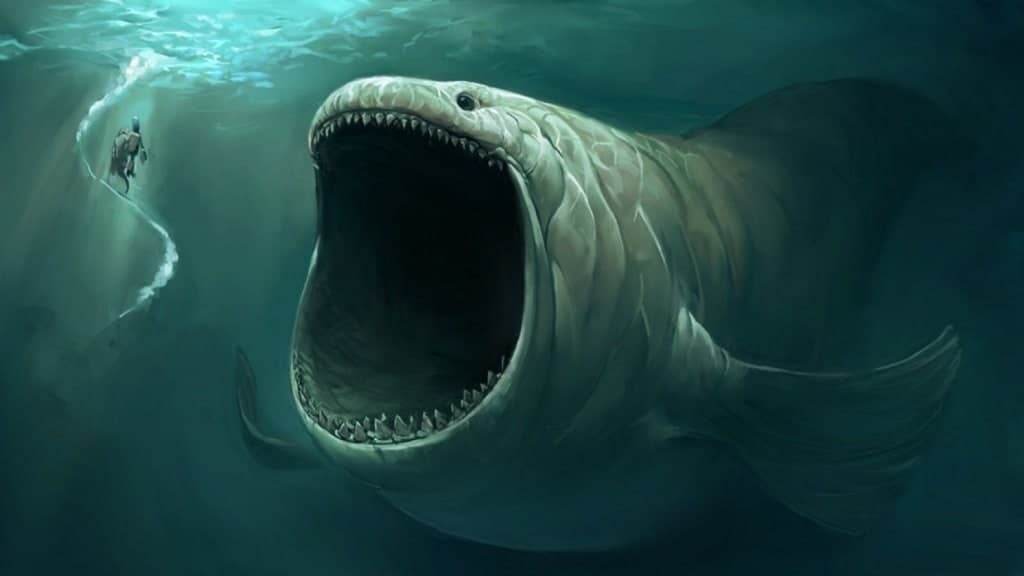
Deep Sea Creatures: Exploring the Strange and Wonderful Animals of the Abyss
The ocean covers more than 70% of our planet, yet over 80% remains unexplored. Hidden beneath the sunless depths live some of the most bizarre and fascinating beings on Earth. These deep sea creatures have adapted to extreme pressure, freezing temperatures, and complete darkness in ways that defy imagination. From glowing fish to ancient predators, let's dive into the mysterious world of the abyss.
What Are Deep Sea Creatures?
Deep sea creatures are animals that live below 200 meters (656 feet), where sunlight cannot reach. This zone is called the midnight zone or aphotic zone. Here, temperatures hover just above freezing, pressure is crushing, and food is scarce. Despite these harsh conditions, life thrives in astonishing forms.
Unique Adaptations of Deep Sea Animals
To survive in the deep ocean, these creatures evolved incredible features:
Bioluminescence: Many deep sea creatures produce their own light through chemical reactions. They use this to attract prey, find mates, or confuse predators.
Gigantism: Some species grow unusually large in the deep, such as the giant squid and colossal squid. This is known as deep-sea gigantism.
Slow Metabolism: With little food available, many deep sea animals move slowly and live extremely long lives. Some can live for centuries.
Transparent Bodies: Without light, camouflage is useless. Many species have gelatinous, see-through bodies to avoid detection.
Expandable Stomachs: Predators like the gulper eel can swallow prey larger than themselves.
Top 20 Most Incredible Deep Sea Creatures
Here is a list of the most fascinating animals found in the deep ocean:
-
Anglerfish The female anglerfish has a glowing lure on her head to attract prey in the dark. She also has sharp, translucent teeth and a massive jaw.
-
Giant Squid This legendary creature can grow up to 43 feet long. It has the largest eyes in the animal kingdom, the size of dinner plates, to detect faint light.
-
Goblin Shark A rare living fossil with a long, flat snout and jaws that shoot forward to catch prey. Its pink skin is nearly transparent.
-
Vampire Squid Despite its name, this small creature eats marine snow (dead organic matter). It uses bioluminescent mucus to escape enemies.
-
Dumbo Octopus Named after the Disney character, this octopus flaps ear-like fins to swim. It lives deeper than any other octopus, up to 13,000 feet.
-
Frilled Shark Often called a living fossil, this eel-like shark has 300 trident-shaped teeth. It has changed little in 80 million years.
-
Barreleye Fish This strange fish has a transparent head filled with fluid. Its tubular green eyes rotate inside the head to look upward for prey.
-
Colossal Squid Even larger than the giant squid, this predator has rotating hooks on its tentacles. It lives in the Southern Ocean.
-
Pelican Eel (Gulper Eel) It has a tiny body but a massive, pelican-like mouth that can swallow fish much larger than itself.
-
Deep-sea Dragonfish A fierce predator with fangs and a glowing barbel on its chin. It produces red light, which most deep sea animals cannot see.
-
Sea Pig A type of sea cucumber that walks on the seafloor using tube legs. It feeds on organic debris.
-
Zombie Worm These worms bore into whale bones on the ocean floor. They have no mouth or gut; instead, they absorb nutrients through roots.
-
Telescope Octopus This transparent octopus has eyes that look straight up through its own head to spot prey above.
-
Cookie-cutter Shark A small shark that bites perfect round chunks out of larger animals like whales and dolphins.
-
Atolla Jellyfish When attacked, this jellyfish produces a spinning light show called a burglar alarm to attract even larger predators to its attacker.
-
Comb Jelly Not a true jellyfish, this creature uses rows of glowing combs to swim. Some species are bioluminescent.
-
Giant Isopod A deep-sea relative of pill bugs, this scavenger can grow over 16 inches long and survive years without food.
-
Faceless Fish First discovered in 1873, this rare fish has no visible eyes and a mouth located on the underside of its head.
-
Tripod Fish This fish stands on three long, bony fins on the seafloor, waiting for food to drift into its mouth.
-
Siphonophore Not a single animal but a colony of specialized individuals. The giant siphonophore can grow longer than a blue whale.
Other Notable Deep Sea Creatures
Blobfish – Famous for its gelatinous, droopy appearance when brought to the surface. At depth, it looks like a normal fish. Firefly Squid – Produces stunning blue light and gathers in masses off the coast of Japan. Hadal Snailfish – Lives in the deepest ocean trenches, nearly 5 miles down. Spookfish – Has mirror-like eyes instead of lenses to focus light. Pompeii Worm – The most heat-tolerant animal on Earth, living near deep-sea vents.
Deep Sea Zones and Where These Creatures Live
The deep ocean is divided into layers:
Mesopelagic Zone (200–1,000 meters) – Twilight zone. Weak sunlight remains. Creatures here include lanternfish and swordfish.
Bathypelagic Zone (1,000–4,000 meters) – Midnight zone. No light at all. Most deep sea creatures live here, including anglerfish and giant squid.
Abyssopelagic Zone (4,000–6,000 meters) – The abyss. Constant near-freezing temperatures. Creatures include sea pigs and deep-sea cucumbers.
Hadalpelagic Zone (6,000–11,000 meters) – The trenches. The deepest part of the ocean. Only a few creatures survive here, such as hadal snailfish and certain amphipods.
Deep Sea Vents and Unique Ecosystems
In the 1970s, scientists discovered hydrothermal vents on the ocean floor. These volcanic chimneys release superheated, mineral-rich water. Around them thrive entire ecosystems that do not depend on sunlight. Instead, bacteria convert chemicals into energy through chemosynthesis. Animals like giant tube worms, vent crabs, and yeti crabs live nowhere else on Earth.
Frequently Asked Questions About Deep Sea Creatures
Q: How do deep sea creatures survive the pressure? A: Their bodies are made of flexible, compressible materials. They lack air-filled spaces like swim bladders. Their cell membranes are also adapted to remain fluid under pressure.
Q: Can deep sea creatures come to the surface? A: Most cannot. The sudden drop in pressure causes their bodies to expand and burst. This is why blobfish looks so different when brought up.
Q: How many deep sea creatures are undiscovered? A: Scientists estimate that over 90% of deep sea species remain unknown. New creatures are found on almost every deep-sea expedition.
Q: Are deep sea creatures dangerous to humans? A: Very few pose any threat. Humans rarely encounter them because they live so deep. The anglerfish and goblin shark look scary but are not a danger to people.
Q: What is the deepest living fish ever found? A: The Mariana snailfish was filmed at 26,830 feet (8,178 meters) in the Mariana Trench.
Threats to Deep Sea Creatures
Despite living far from humans, deep sea animals face growing dangers:
Deep-sea mining: Companies are mining the seafloor for rare metals, destroying fragile habitats. Bottom trawling: Fishing nets scrape the ocean floor, wiping out centuries-old coral and sponge communities. Climate change: Warming oceans and acidification affect deep-sea ecosystems. Plastic pollution: Microplastics have been found inside deep sea creatures miles below the surface.
Conservation Efforts
Marine protected areas (MPAs) now cover some deep-sea regions. International organizations are working to ban deep-sea mining until more research is done. Scientists also continue exploring to better understand what we stand to lose.
Final Thoughts
The deep ocean is Earth's last true frontier. Every deep-sea expedition reveals new species and strange behaviors. From the glowing anglerfish to the elusive giant squid, these creatures remind us how much we still have to discover. Protecting their fragile world is not just important for science, but for the health of our entire planet.
Next time you look at the ocean, remember that beneath the waves lies a world darker, colder, and more alien than any science fiction. And it is entirely real.
Related Topics
About admin
SEO expert and content strategist helping businesses grow their online presence through data-driven strategies.

How a Shark Lives: Survival, Hunting, and Life in the Ocean
Discover how a shark lives, hunts, reproduces, and survives in the ocean. Learn about shark senses, diet, lifespan, behavior, and why these ancient predators are vital to marine ecosystems.
Blood Falls: Antarctica's Bleeding Glacier Mystery
Antarctica's Blood Falls mystery solved after 100 years. Iron-rich saltwater & 2M-year-old trapped microbes.

Titan Sub Implosion: The 5-Minute Titanic Tragedy
The Titan submersible implosion became a shocking tragedy after a deep-sea mission to the Titanic ended in catastrophic failure.
Lakes That Explode Without Warning: Limnic Eruption Science
Lakes can trap vast CO₂ and suddenly release it. Learn about the deadly Lake Nyos disaster, Lake Kivu’s hidden risk, and how science diffuses these natural time-bombs.